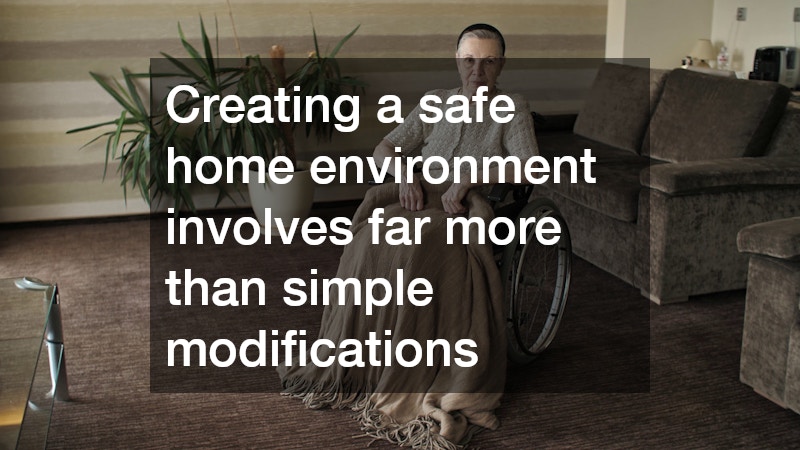
Creating a safe home environment is one of the most important steps families can take to protect aging loved ones or individuals managing chronic conditions. As mobility changes, medical needs increase, or recovery from illness becomes more complex, the home must evolve to meet those demands. Many families discover that safety goes beyond installing grab bars or removing loose rugs. It involves professional oversight, personalized care plans, and ongoing support. This is where in home health care services play a crucial role.
By combining medical expertise with compassionate assistance, these services allow individuals to remain in the comfort of their own homes while reducing risks and improving overall well-being. A safer home not only prevents accidents but also fosters confidence, independence, and peace of mind for both clients and their families.
Identifying Safety Risks in the Home
The first step in creating a safe living space is recognizing potential hazards. Falls are one of the most common risks for older adults and individuals recovering from surgery. Slippery bathrooms, poor lighting, cluttered walkways, and stairs without handrails can quickly become dangerous.
Professional caregivers providing in home health care services are trained to assess these risks systematically. They evaluate the layout of the home, identify fall hazards, and recommend practical modifications. These may include installing grab bars in bathrooms, adding non-slip mats, rearranging furniture to create clear walking paths, and improving lighting in hallways and staircases.
Beyond physical hazards, safety also includes medication management. Missed doses, incorrect timing, or mixing medications improperly can lead to serious health complications. With the support of in home health care services, trained professionals help organize medications, monitor side effects, and ensure prescriptions are followed accurately.
Another often-overlooked aspect of home safety is emergency preparedness. Care providers can help create response plans for medical emergencies, ensure easy access to emergency contacts, and educate clients about when to seek medical attention. By addressing these details proactively, families significantly reduce preventable risks.
Personalized Care Plans for Ongoing Protection
Every individual’s health needs are unique. A one-size-fits-all solution rarely provides adequate protection or support. One of the greatest benefits of in home health care services is the development of personalized care plans tailored to the specific needs of each client.
These care plans may include assistance with daily living activities such as bathing, dressing, grooming, and meal preparation. For individuals with chronic illnesses like diabetes or heart disease, skilled nurses may monitor vital signs, manage wound care, or provide specialized treatments. This ongoing monitoring helps detect potential issues early, preventing hospital readmissions and complications.
Recovery after surgery or illness also requires careful oversight. Having professional caregivers available at home ensures that rehabilitation exercises are completed safely and that mobility improves steadily without unnecessary strain. Through consistent supervision and support, in home health care services help clients rebuild strength while minimizing setbacks.
In addition to physical health, emotional well-being plays a critical role in maintaining a safe home environment. Loneliness and isolation can negatively impact mental health and even increase the risk of accidents due to lack of engagement. Caregivers provide companionship, conversation, and encouragement, which contributes to a more positive and attentive mindset. A person who feels supported is more likely to follow safety recommendations and maintain healthy routines.
Supporting Independence While Ensuring Safety
One of the biggest concerns families face is balancing safety with independence. Many individuals want to remain in their own homes rather than move to assisted living facilities. The presence of in home health care services allows them to do just that without compromising their well-being.
Rather than taking over completely, caregivers focus on empowering clients to do what they can safely manage. This approach builds confidence and preserves dignity. For example, a caregiver might supervise meal preparation instead of doing it entirely, or provide assistance during bathing while encouraging as much independence as possible.
Technology can also enhance safety at home. Care providers may recommend medical alert systems, remote monitoring devices, or automated medication dispensers. When combined with professional oversight, these tools create an additional layer of protection and help families feel more secure about daily routines.
Creating a safe home environment involves far more than simple modifications. It requires careful assessment, personalized planning, consistent monitoring, and compassionate support. While families can take many steps on their own, professional guidance significantly strengthens those efforts.
Through risk assessment, medication management, customized care plans, and ongoing companionship, in home health care services provide comprehensive protection for individuals who wish to age in place or recover at home. They help prevent accidents, manage complex health conditions, and foster emotional well-being — all within the familiar surroundings of home.
Ultimately, safety and independence do not have to be opposing goals. With the right support system in place, individuals can enjoy the comfort of their own homes while receiving the care they need. By partnering with trusted professionals, families can create an environment that promotes health, dignity, and long-term security for their loved ones.