
As people age, maintaining health and wellness becomes a priority for both seniors and their families. Aging can bring unique challenges, from mobility limitations to chronic health conditions, which require thoughtful planning and proactive care. Practical strategies for managing senior health and wellness go beyond routine medical appointments; they involve creating safe living environments, supporting cognitive and physical health, and ensuring access to essential services that foster independence and quality of life. Families who actively engage in these strategies often see improved outcomes, reduced risk of injuries, and enhanced overall well-being for their elderly loved ones.
Wellness management for seniors encompasses a broad spectrum of areas. Physical safety, mobility, and accessibility in the home are critical, as falls and accidents can have serious consequences. Proper medical support, such as regular consultations with a family physician, access to physical therapy, and specialized care for conditions like Alzheimer’s, plays a central role in maintaining long-term health. Social engagement and practical services, including transportation options like taxi services and shuttle services, also help seniors stay active and connected to their communities. In addition, addressing personal concerns such as hair loss or other age-related changes contributes to overall mental and emotional well-being.
Effective strategies combine preventive care with targeted support. For instance, using adaptive equipment like a wheelchair-accessible crib or consulting a medical tapes manufacturer for proper wound care solutions ensures both safety and comfort. Similarly, working with a female hair loss specialist or a family chiropractor addresses specific health needs that impact quality of life. Family involvement in home appraisals and safety assessments ensures living spaces are optimized for senior mobility and accessibility. By coordinating these elements—medical care, mobility solutions, cognitive support, and personal well-being—families can create a holistic plan that empowers seniors to live healthier, more fulfilling lives.
This article explores practical strategies for managing senior health and wellness, offering actionable guidance in ten key areas. Each section highlights general considerations and specific solutions, providing insights into services, specialists, and tools that support seniors in maintaining independence and overall health. From safe home setups to professional medical care and supportive transportation, these strategies are designed to address common challenges while promoting comfort, safety, and well-being. Families who adopt these practices can make informed decisions that improve their loved ones’ quality of life and ensure that aging remains a positive, manageable journey.
Ensure Safe Crib Use
Using safe and accessible equipment is essential for seniors who have mobility challenges. A wheelchair accessible crib provides a secure and comfortable resting space, allowing seniors to maintain independence while reducing the risk of falls or injuries. These cribs are specifically designed to accommodate wheelchairs, making it easier for caregivers to assist with transfers and ensuring seniors can safely use the bed. Choosing equipment that meets accessibility standards is a crucial step in creating a safe and supportive home environment. Additionally, these cribs often feature adjustable heights and easy-to-use locking mechanisms, making daily routines more manageable for both seniors and caregivers. They can also help minimize strain on caregivers when assisting with transfers, promoting safer handling. For seniors with limited mobility, having a designated accessible sleeping area fosters independence and confidence. Ensuring the crib fits seamlessly into the home layout is another important consideration to maintain both safety and comfort.
Select Medical Tapes
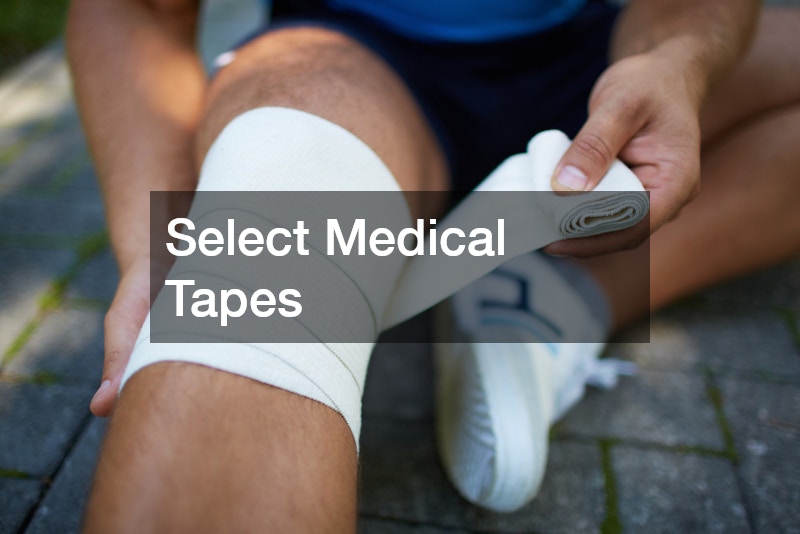
High-quality medical supplies are an important part of senior healthcare. Consulting a reliable medical tapes manufacturer ensures that families have access to durable, safe, and effective products for wound care, mobility supports, or therapeutic needs. Proper medical tapes help maintain skin integrity, secure bandages, and provide comfort, especially for seniors with sensitive skin or chronic conditions. Selecting the right products can make daily care routines more manageable and support better health outcomes. Beyond wound management, medical tapes are often used to stabilize joints, secure supports, or aid in rehabilitation exercises, making them versatile for seniors with mobility or musculoskeletal concerns. Choosing products from trusted manufacturers ensures consistent quality and reduces the risk of allergic reactions or irritation. Proper storage and usage instructions also help maximize effectiveness, providing caregivers with confidence in daily care. Access to high-quality tapes allows families to create a safer, more comfortable home care environment tailored to seniors’ specific needs.
Book Reliable Taxis
Transportation is a key factor in senior independence. Using trusted taxi services ensures seniors can attend medical appointments, social gatherings, and community events safely and on time. Many taxi providers offer accommodations for mobility devices and provide trained drivers who understand the needs of elderly passengers. Reliable transportation reduces stress for both seniors and caregivers while promoting social engagement, which is vital for overall wellness. Access to dependable taxis prevents seniors from missing important appointments and encourages continued participation in social and recreational activities. Some services also provide assistance with carrying groceries, luggage, or personal items, further enhancing convenience. Regularly using reliable taxi services can help seniors maintain a routine and stay connected to their communities. Choosing providers with good safety records and senior-friendly policies ensures a smooth and stress-free travel experience.
Arrange Shuttle Service

Group transportation can further enhance mobility for seniors. A shuttle service provides scheduled travel to essential destinations, including medical facilities, shopping centers, and community activities. These services often accommodate wheelchairs and other mobility devices, allowing seniors to travel safely and comfortably. By incorporating shuttle options into daily routines, families can ensure consistent access to vital services and social opportunities while promoting independence. Shuttle services often operate on flexible schedules, making it easier for seniors to plan appointments and errands. Participating in group travel also fosters social connections and reduces feelings of isolation. Families can coordinate multiple trips, ensuring seniors can attend community events or wellness programs without relying solely on individual rides. Consistent use of shuttle services builds confidence and independence for seniors navigating public spaces.
Treat Hair Loss
Addressing personal appearance and self-esteem is an important component of senior wellness. A female hair loss specialist can provide individualized treatments and guidance for seniors experiencing thinning hair or hair loss. Solutions may include medical therapies, lifestyle adjustments, or cosmetic options that improve hair health and confidence. Proactively managing hair loss helps seniors maintain a positive self-image and emotional well-being. Specialists can evaluate underlying causes such as hormonal changes, medication side effects, or nutritional deficiencies, offering tailored solutions. Treatments can include topical or oral medications, low-level laser therapy, or hair restoration procedures. Guidance from a hair loss specialist also helps seniors establish realistic expectations and set manageable treatment goals. Maintaining hair health contributes to overall confidence, which can positively impact social engagement and mental health.
Support Alzheimer’s Care
Cognitive health is a critical aspect of senior wellness. Implementing Alzheimers care strategies, such as structured routines, memory-focused activities, and medical oversight, supports safety and engagement. Specialized programs help slow cognitive decline and improve the quality of life for both seniors and their families. Consistent attention to cognitive health ensures seniors can remain as independent and active as possible while receiving the support they need. Care plans may include personalized schedules, cognitive exercises, and memory aids to reduce confusion and anxiety. Families can also integrate sensory stimulation, music therapy, or social interaction into daily routines to enhance mental engagement. Coordinating with healthcare professionals ensures that medications and therapies are effectively managed. A comprehensive approach to Alzheimers care provides seniors with stability, safety, and a sense of purpose.
Assess Home Safety
Creating a secure living environment is essential for reducing falls and injuries. Conducting a home appraisal allows families to identify potential hazards and make necessary modifications. Improvements may include installing grab bars, widening doorways, adjusting lighting, and optimizing flooring for wheelchair accessibility. A safe home empowers seniors to navigate their space confidently and maintain independence, while also easing the caregiving process. Home appraisals can also uncover areas where additional supports, such as ramps or stairlifts, are needed. Proper furniture placement and decluttering reduce tripping risks and improve mobility. Incorporating non-slip surfaces in bathrooms and kitchens further enhances safety. A thorough assessment ensures that seniors can move freely and confidently in all areas of their home.
Improve Physical Rehab
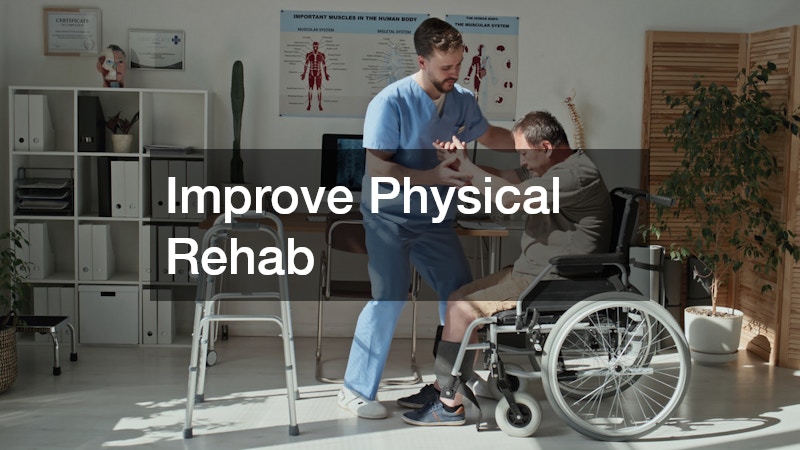
Physical therapy is vital for maintaining strength, flexibility, and mobility. Physical therapy rehab programs are tailored to seniors’ individual needs, helping them recover from injuries, manage chronic conditions, and prevent falls. Therapeutic exercises and personalized routines enhance balance, posture, and overall physical health. By prioritizing rehabilitation, seniors can maintain an active lifestyle and improve daily functioning. Therapists may incorporate resistance training, stretching, and balance-focused exercises to target specific weaknesses. Regular sessions also promote cardiovascular health and reduce the risk of future injuries. Progress tracking ensures exercises are effective and adapted as seniors’ abilities change. Integrating rehab into daily routines encourages consistent movement and long-term physical wellness.
Visit Family Chiropractor
Musculoskeletal health significantly impacts seniors’ comfort and mobility. A family chiropractor provides treatments to alleviate pain, improve posture, and enhance overall function. Regular chiropractic care addresses underlying issues in the spine, joints, and muscles, promoting long-term wellness. Incorporating chiropractic support helps seniors maintain mobility, reduce discomfort, and continue participating in daily activities. Chiropractors can provide guidance on proper ergonomics and safe movement techniques for everyday activities. Treatments may also include manual adjustments, therapeutic exercises, or soft tissue therapy. Regular check-ins help prevent minor issues from escalating into more serious problems. A consistent chiropractic routine supports overall physical health and enables seniors to remain active and independent.
Consult Family Physician
A family physician is central to comprehensive senior care. Regular consultations enable preventive care, chronic disease management, and referrals to specialists. A physician coordinates care across services, including physical therapy, Alzheimer’s programs, and chiropractic treatments, ensuring a cohesive health plan. Consistent medical oversight allows families to address health issues early, optimize treatments, and support seniors’ long-term wellness. Physicians also provide guidance on medication management, vaccination schedules, and lifestyle modifications. They monitor vital signs and identify early warning signs of emerging conditions. Coordinating with multiple specialists ensures all aspects of a senior’s health are addressed. Regular visits strengthen the continuity of care and provide families with confidence in their loved one’s wellness plan.
Managing senior health and wellness involves a multi-faceted, proactive approach. Families who implement practical strategies can enhance safety, independence, and overall quality of life for their loved ones. By focusing on mobility, medical care, cognitive support, and personal well-being, seniors can continue living fulfilling, active lives. Each element, from home safety to specialized medical services, contributes to long-term health and comfort.
Ensuring safe equipment, like a wheelchair accessible crib reduces risks associated with mobility challenges and promotes secure daily routines. Accessing reliable medical supplies through a reputable medical tapes manufacturer helps maintain proper wound care and supports treatment plans. Transportation solutions, including taxi services and shuttle service, ensure seniors can remain connected to their communities, attend appointments, and maintain independence while reducing caregiver stress.
Personal care and wellness are also vital. Consulting a female hair loss specialist addresses hair health and self-esteem, while engaging in Alzheimer’s care programs promotes cognitive function and structured support. Assessing home safety through professional home appraisals ensures living spaces are optimized for mobility and risk reduction. Physical therapy rehab enhances strength, balance, and flexibility, and visiting a family chiropractor addresses musculoskeletal issues that impact comfort and daily activity levels. Regular consultations with a family physician provide preventive care, chronic disease management, and coordination with specialists to maintain overall health.
By integrating these strategies, families can create a holistic plan tailored to the specific needs of their elderly loved ones. Practical solutions in mobility, transportation, home safety, medical care, and personal wellness work together to improve quality of life and independence. Proactive attention to these areas reduces the likelihood of injuries, supports emotional well-being, and ensures seniors receive the comprehensive care they deserve.
Ultimately, managing senior health and wellness requires awareness, planning, and the use of appropriate resources. Families who actively implement these strategies foster environments where seniors thrive, maintain independence, and enjoy safer, healthier, and more fulfilling lives. From adaptive equipment to transportation, medical oversight, and cognitive support, each approach contributes to long-term wellness. Following these practical strategies allows families to provide meaningful support, enabling seniors to age with dignity, confidence, and quality of life.